NowComment
Document: Invite Print Info
2-Pane Combined
Comments:
Full Summaries Sorted

Growth Mindset in Early Learners


0 General Document comments
0 Sentence and Paragraph comments
0 Image and Video comments


Do you have children in your care that easily give up when learning a new skill? Have you noticed children who get overly frustrated if they don’t see success come easy to them? What we are really asking here is if the children have a growth or a fixed mindset. A mind set is a self-belief or a self-thought that may either be positive or negative. Our mindsets are what guide our actions, reactions and behaviors, in particular to gaining knowledge and learning new skills. A fixed mindset equals fixed intelligence. People in this mindset perceive they have no way to improve themselves. A Growth mindset equals intelligence that can be developed. People with this mindset tend to work harder because they know they can improve.

New Thinking Partner Conversation New Conversation
Paragraph 1 0
No paragraph-level conversations. Start one.
New Thinking Partner Conversation New Conversation
Paragraph 1, Sentence 1 0
No sentence-level conversations. Start one.
New Thinking Partner Conversation New Conversation
Paragraph 1, Sentence 2 0
No sentence-level conversations. Start one.
New Thinking Partner Conversation New Conversation
Paragraph 1, Sentence 3 0
No sentence-level conversations. Start one.
New Thinking Partner Conversation New Conversation
Paragraph 1, Sentence 4 0
No sentence-level conversations. Start one.
New Thinking Partner Conversation New Conversation
Paragraph 1, Sentence 5 0
No sentence-level conversations. Start one.
New Thinking Partner Conversation New Conversation
Paragraph 1, Sentence 6 0
No sentence-level conversations. Start one.
New Thinking Partner Conversation New Conversation
Paragraph 1, Sentence 7 0
No sentence-level conversations. Start one.
New Thinking Partner Conversation New Conversation
Paragraph 1, Sentence 8 0
No sentence-level conversations. Start one.
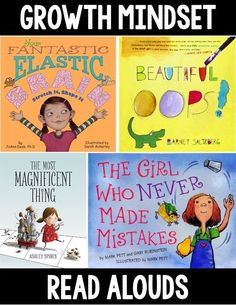
New Thinking Partner Conversation New Conversation
Paragraph 1, Sentence 9 0
No sentence-level conversations. Start one.

Young children naturally lean toward the growth mindset as they are curious about their environment and explore and learn through all of their senses. They learn through trial and error, and incidentally as well as through modeling and teaching. I wonder at what point do people make the shift from growth to fixed mindsets?

New Thinking Partner Conversation New Conversation
Paragraph 2 0
No paragraph-level conversations. Start one.
New Thinking Partner Conversation New Conversation
Paragraph 2, Sentence 1 0
No sentence-level conversations. Start one.
New Thinking Partner Conversation New Conversation
Paragraph 2, Sentence 2 0
No sentence-level conversations. Start one.
New Thinking Partner Conversation New Conversation
Paragraph 2, Sentence 3 0
No sentence-level conversations. Start one.

Carol Dweck, Lewis and Virginia Eaton professor of psychology at Stanford University and the author of Mindset: The New Psychology of Success states, “If parents want to give their children a gift, the best thing they can do is to teach their children to love challenges, be intrigued by mistakes, enjoy effort, and keep on learning.”

New Thinking Partner Conversation New Conversation
Paragraph 3 0
No paragraph-level conversations. Start one.
New Thinking Partner Conversation New Conversation
Paragraph 3, Sentence 1 0
No sentence-level conversations. Start one.

Here, Imagination Soup outlines Five Parenting Strategies to Develop Growth Mindset and Carol Dweck’s Study on Praise and Mindsets is outlined in this short video.

New Thinking Partner Conversation New Conversation
Paragraph 4 0
No paragraph-level conversations. Start one.
New Thinking Partner Conversation New Conversation
Paragraph 4, Sentence 1 0
No sentence-level conversations. Start one.

At a Childcare Providers workshop I attended recently, the presenter had studied some of Dweck’s work and shared a few “trigger words” that parents and teachers can use with children.

New Thinking Partner Conversation New Conversation
Paragraph 5 0
No paragraph-level conversations. Start one.
New Thinking Partner Conversation New Conversation
Paragraph 5, Sentence 1 0
No sentence-level conversations. Start one.

Trigger words that stimulate mindset:

New Thinking Partner Conversation New Conversation
Paragraph 6 0
No paragraph-level conversations. Start one.
New Thinking Partner Conversation New Conversation
Paragraph 6, Sentence 1 0
No sentence-level conversations. Start one.
  • Praising Effort
  • New Thinking Partner Conversation New Conversation
    Paragraph 7 0
    No paragraph-level conversations. Start one.
    New Thinking Partner Conversation New Conversation
    Paragraph 7, Sentence 1 0
    No sentence-level conversations. Start one.
  • Accepting Failures
  • New Thinking Partner Conversation New Conversation
    Paragraph 8 0
    No paragraph-level conversations. Start one.
    New Thinking Partner Conversation New Conversation
    Paragraph 8, Sentence 1 0
    No sentence-level conversations. Start one.
  • Ask for Explanations
  • New Thinking Partner Conversation New Conversation
    Paragraph 9 0
    No paragraph-level conversations. Start one.
    New Thinking Partner Conversation New Conversation
    Paragraph 9, Sentence 1 0
    No sentence-level conversations. Start one.
  • Express the Amount of work put in
  • New Thinking Partner Conversation New Conversation
    Paragraph 10 0
    No paragraph-level conversations. Start one.
    New Thinking Partner Conversation New Conversation
    Paragraph 10, Sentence 1 0
    No sentence-level conversations. Start one.
  • “Your Brain is Growing”
  • New Thinking Partner Conversation New Conversation
    Paragraph 11 0
    No paragraph-level conversations. Start one.
    New Thinking Partner Conversation New Conversation
    Paragraph 11, Sentence 1 0
    No sentence-level conversations. Start one.
  • Praise the PROCESS!
  • New Thinking Partner Conversation New Conversation
    Paragraph 12 0
    No paragraph-level conversations. Start one.
    New Thinking Partner Conversation New Conversation
    Paragraph 12, Sentence 1 0
    No sentence-level conversations. Start one.

Words that discourage:

New Thinking Partner Conversation New Conversation
Paragraph 13 0
No paragraph-level conversations. Start one.
New Thinking Partner Conversation New Conversation
Paragraph 13, Sentence 1 0
No sentence-level conversations. Start one.
  • Praising outcome
  • New Thinking Partner Conversation New Conversation
    Paragraph 14 0
    No paragraph-level conversations. Start one.
    New Thinking Partner Conversation New Conversation
    Paragraph 14, Sentence 1 0
    No sentence-level conversations. Start one.
  • Criticizing Failures
  • New Thinking Partner Conversation New Conversation
    Paragraph 15 0
    No paragraph-level conversations. Start one.
    New Thinking Partner Conversation New Conversation
    Paragraph 15, Sentence 1 0
    No sentence-level conversations. Start one.
  • Telling kids the answers
  • New Thinking Partner Conversation New Conversation
    Paragraph 16 0
    No paragraph-level conversations. Start one.
    New Thinking Partner Conversation New Conversation
    Paragraph 16, Sentence 1 0
    No sentence-level conversations. Start one.
  • Labeling or Judging student/work
  • New Thinking Partner Conversation New Conversation
    Paragraph 17 0
    No paragraph-level conversations. Start one.
    New Thinking Partner Conversation New Conversation
    Paragraph 17, Sentence 1 0
    No sentence-level conversations. Start one.
  • Telling them they “tried their best”
  • New Thinking Partner Conversation New Conversation
    Paragraph 18 0
    No paragraph-level conversations. Start one.
    New Thinking Partner Conversation New Conversation
    Paragraph 18, Sentence 1 0
    No sentence-level conversations. Start one.
  • Praising the PERSON
  • New Thinking Partner Conversation New Conversation
    Paragraph 19 0
    No paragraph-level conversations. Start one.
    New Thinking Partner Conversation New Conversation
    Paragraph 19, Sentence 1 0
    No sentence-level conversations. Start one.

At the same workshop, I was introduced to the “Power of Yet”…

New Thinking Partner Conversation New Conversation
Paragraph 20 0
No paragraph-level conversations. Start one.
New Thinking Partner Conversation New Conversation
Paragraph 20, Sentence 1 0
No sentence-level conversations. Start one.

I can’t do this….yet

New Thinking Partner Conversation New Conversation
Paragraph 21 0
No paragraph-level conversations. Start one.
New Thinking Partner Conversation New Conversation
Paragraph 21, Sentence 1 0
No sentence-level conversations. Start one.

This doesn’t work…yet

New Thinking Partner Conversation New Conversation
Paragraph 22 0
No paragraph-level conversations. Start one.
New Thinking Partner Conversation New Conversation
Paragraph 22, Sentence 1 0
No sentence-level conversations. Start one.

I’m not good at the…yet

New Thinking Partner Conversation New Conversation
Paragraph 23 0
No paragraph-level conversations. Start one.
New Thinking Partner Conversation New Conversation
Paragraph 23, Sentence 1 0
No sentence-level conversations. Start one.

I don’t know how to….yet

New Thinking Partner Conversation New Conversation
Paragraph 24 0
No paragraph-level conversations. Start one.
New Thinking Partner Conversation New Conversation
Paragraph 24, Sentence 1 0
No sentence-level conversations. Start one.

Parents and teachers can support young learners in the struggle with this encouraging little word and guided questions that can lead students beyond “I can’t.”

New Thinking Partner Conversation New Conversation
Paragraph 25 0
No paragraph-level conversations. Start one.
New Thinking Partner Conversation New Conversation
Paragraph 25, Sentence 1 0
No sentence-level conversations. Start one.

By developing a “growth mindset”-an attitude that allows for possibilities and promotes progress and problem solving, children improve their skills for effectively solving problems every day and in more challenging scenarios (Dweck 2006).

New Thinking Partner Conversation New Conversation
Paragraph 26 0
No paragraph-level conversations. Start one.
New Thinking Partner Conversation New Conversation
Paragraph 26, Sentence 1 0
No sentence-level conversations. Start one.

Key Rationale and Strategies Supporting Growth Mindset

New Thinking Partner Conversation New Conversation
Paragraph 27 0
No paragraph-level conversations. Start one.
New Thinking Partner Conversation New Conversation
Paragraph 27, Sentence 1 0
No sentence-level conversations. Start one.

Rationale:

New Thinking Partner Conversation New Conversation
Paragraph 28 0
No paragraph-level conversations. Start one.
New Thinking Partner Conversation New Conversation
Paragraph 28, Sentence 1 0
No sentence-level conversations. Start one.
  1. Everyone makes mistakes.
  2. New Thinking Partner Conversation New Conversation
    Paragraph 29 0
    No paragraph-level conversations. Start one.
    New Thinking Partner Conversation New Conversation
    Paragraph 29, Sentence 1 0
    No sentence-level conversations. Start one.
  3. Making mistakes give us an opportunity to do things differently and to learn.
  4. New Thinking Partner Conversation New Conversation
    Paragraph 30 0
    No paragraph-level conversations. Start one.
    New Thinking Partner Conversation New Conversation
    Paragraph 30, Sentence 1 0
    No sentence-level conversations. Start one.
  5. Practice make better.
  6. New Thinking Partner Conversation New Conversation
    Paragraph 31 0
    No paragraph-level conversations. Start one.
    New Thinking Partner Conversation New Conversation
    Paragraph 31, Sentence 1 0
    No sentence-level conversations. Start one.

Strategies:

New Thinking Partner Conversation New Conversation
Paragraph 32 0
No paragraph-level conversations. Start one.
New Thinking Partner Conversation New Conversation
Paragraph 32, Sentence 1 0
No sentence-level conversations. Start one.
  1. Model resilience and problem solving strategies
  2. New Thinking Partner Conversation New Conversation
    Paragraph 33 0
    No paragraph-level conversations. Start one.
    New Thinking Partner Conversation New Conversation
    Paragraph 33, Sentence 1 0
    No sentence-level conversations. Start one.
  3. Give children opportunities to solve problems on their own when appropriate
  4. New Thinking Partner Conversation New Conversation
    Paragraph 34 0
    No paragraph-level conversations. Start one.
    New Thinking Partner Conversation New Conversation
    Paragraph 34, Sentence 1 0
    No sentence-level conversations. Start one.
  5. Encourage children to ask a friend to help before seeking an adult’s assistance
  6. New Thinking Partner Conversation New Conversation
    Paragraph 35 0
    No paragraph-level conversations. Start one.
    New Thinking Partner Conversation New Conversation
    Paragraph 35, Sentence 1 0
    No sentence-level conversations. Start one.

Check out Preschoolers Grow Their Brains from NAEYC for examples of growth mindset in action and how to set the stage for best practices in early childhood education.

New Thinking Partner Conversation New Conversation
Paragraph 36 0
No paragraph-level conversations. Start one.
New Thinking Partner Conversation New Conversation
Paragraph 36, Sentence 1 0
No sentence-level conversations. Start one.

Pinterest has an endless supply of ideas and resources for teachers on creating a growth mindset classroom. And there are numerous children’s books to encourage young learners to open their minds to the power of “yet”.
New Thinking Partner Conversation New Conversation
Paragraph 37 0
No paragraph-level conversations. Start one.
New Thinking Partner Conversation New Conversation
Paragraph 37, Sentence 1 0
No sentence-level conversations. Start one.
New Thinking Partner Conversation New Conversation
Paragraph 37, Sentence 2 0
No sentence-level conversations. Start one.

a601ce7af352a553bf6f6870d78020bd

New Thinking Partner Conversation New Conversation
Paragraph 38 (Image 1) 0
No whole image conversations. Start one.
New Thinking Partner Conversation New Conversation
Whole Image 0
No whole image conversations. Start one.

Image Source: Pinterest

New Thinking Partner Conversation New Conversation
Paragraph 39 0
No paragraph-level conversations. Start one.
New Thinking Partner Conversation New Conversation
Paragraph 39, Sentence 1 0
No sentence-level conversations. Start one.

What are your strategies for establishing a Growth Mindset Environment in the child care setting?

New Thinking Partner Conversation New Conversation
Paragraph 40 0
No paragraph-level conversations. Start one.
New Thinking Partner Conversation New Conversation
Paragraph 40, Sentence 1 0
No sentence-level conversations. Start one.
LYNN DEVRIES, EXTENSION EDUCATOR | Early Childhood
New Thinking Partner Conversation New Conversation
Paragraph 41 0
No paragraph-level conversations. Start one.
New Thinking Partner Conversation New Conversation
Paragraph 41, Sentence 1 0
No sentence-level conversations. Start one.

DMU Timestamp: July 24, 2023 14:56

General Document Comments 0
New Thinking Partner Conversation Start a new Document-level conversation

Image
0 comments, 0 areas
add area
add comment
change display
Video
add comment

Quickstart: Commenting and Sharing

How to Comment
  • Click icons on the left to see existing comments.
  • Desktop/Laptop: double-click any text, highlight a section of an image, or add a comment while a video is playing to start a new conversation.
    Tablet/Phone: single click then click on the "Start One" link (look right or below).
  • Click "Reply" on a comment to join the conversation.
How to Share Documents
  1. "Upload" a new document.
  2. "Invite" others to it.

Logging in, please wait... Blue_on_grey_spinner